





产后恶露完全指南:阶段变化、护理与警示信号 | A Complete Guide to Postpartum Lochia: Stages, Care & Warning Signs
一、什么是产后恶露?| What is Postpartum Lochia?
恶露是分娩后子宫蜕膜脱落、经阴道排出的混合物,含有血液、坏死蜕膜等组织。这是子宫修复和创面愈合的正常生理过程,通常持续4-6周。
Lochia is the vaginal discharge after childbirth, consisting of blood, mucus, and uterine tissue. It is the result of the uterus shedding its lining and healing, which is a normal physiological process. It typically lasts for 4 to 6 weeks.
二、恶露的阶段性变化特点 | The Stages of Lochia Changes
恶露的颜色、量和成分会随时间规律变化,通常分为三个阶段,可参考下表:
The color, amount, and consistency of lochia will change over time, generally in three stages as outlined below:
| 阶段/Stage | 持续时间/Duration | 颜色与性状/Color & Consistency | 主要成分/Main Content |
|---|---|---|---|
| 血性恶露 Lochia Rubra |
产后第1-3天 The first to the third day after giving birth |
鲜红色,类似月经量多期,可能有小血块。 Bright red, similar to a heavy menstrual period, may contain small clots. |
主要为血液和少量胎膜组织。 Primarily blood and some decidual tissue. |
| 浆液性恶露 Lochia Serosa |
产后第4-10天左右 Around the 4th to 10th day after giving birth |
淡红色或粉褐色,量逐渐减少,浆液性。 Pinkish or brownish, watery, with a gradually decreasing amount. |
血液减少,含较多坏死蜕膜、宫颈黏液。 Less blood, more cervical mucus and leukocytes. |
| 白色恶露 Lochia Alba | 产后第2-3周开始,持续至4-6周 Starting from the 2nd to 3rd week postpartum, and continuing until the 4th to 6th week. |
乳白色、淡黄色或透明,粘稠状,量少。 Creamy white or yellowish, sticky, minimal amount. |
主要为白细胞、表皮细胞和黏液。 Mainly leukocytes, decidual cells, and mucus. |
注意:恶露总量约为500-1000毫升。剖宫产妈妈的恶露量可能较少。活动、哺乳或早晨起床时,排出量可能短暂增多。
Note: Total volume is approximately 500-1000 ml. Mothers with C-sections may have less lochia. Flow may increase briefly with activity, breastfeeding, or in the morning.
三、产后恶露护理要点 | Key Points for Postpartum Lochia Care
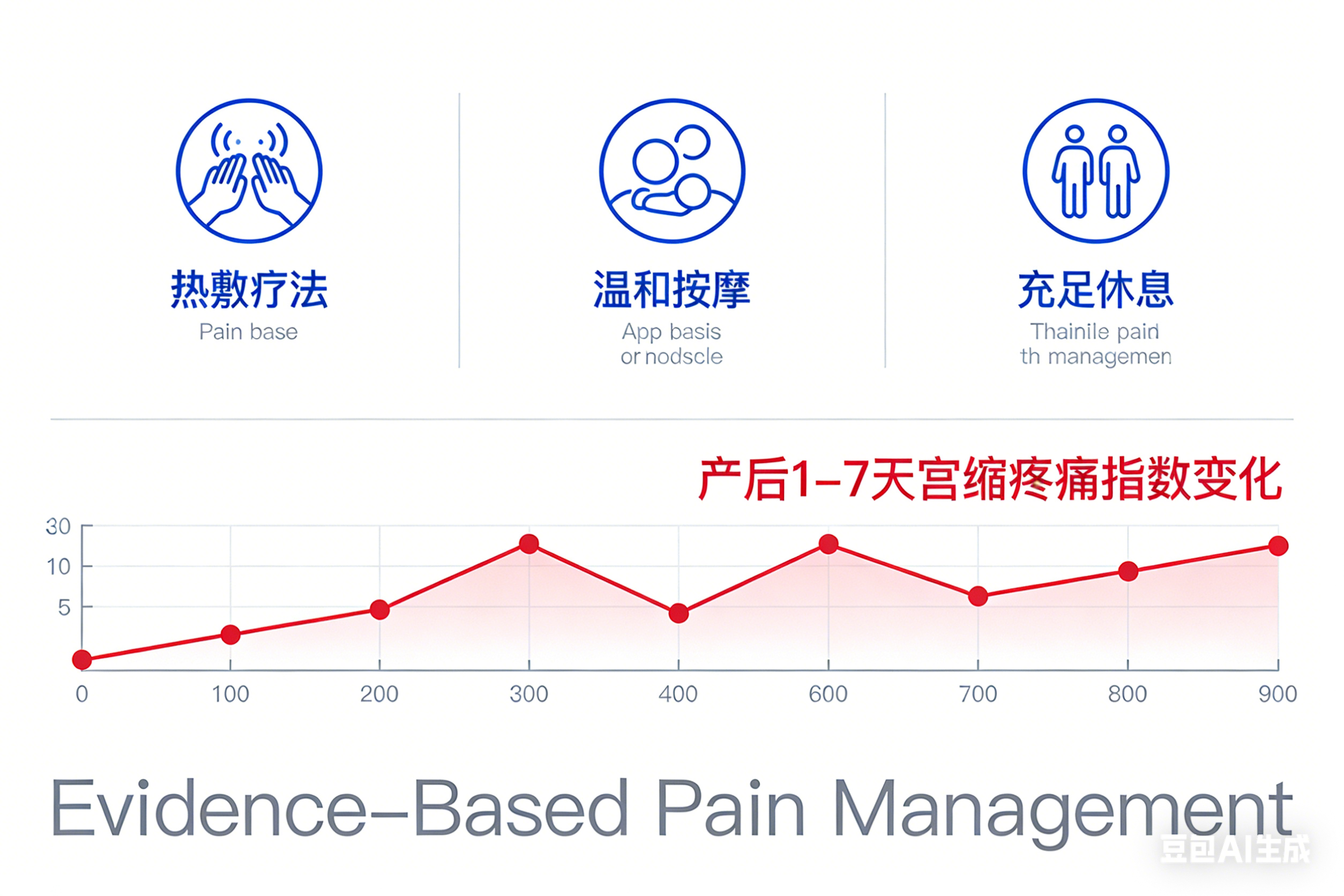
正确的护理有助于预防感染、促进恢复:
Proper care helps prevent infection and promote recovery:
-
保持清洁,勤换卫生巾 | Maintain Hygiene, Change Pads Frequently
-
使用消毒、透气的产后专用卫生巾。产后头几天每2-4小时更换一次,即使量不多。
-
Use sterile, breathable maternity pads. Change them every 2-4 hours in the first few days, even if flow seems light.
-
务必从前向后擦拭,如厕后最好用温水冲洗会阴部。
-
Always wipe from front to back. Using warm water to rinse the perineal area after using the toilet is highly recommended.
-
-
密切观察,识别异常 | Monitor Closely, Recognize Abnormalities
-
注意上表中颜色和量的正常变化规律。
-
Pay attention to the normal progression of color and amount as shown in the table above.
-
异常信号(详见第四部分)需立即就医。
-
Seek immediate medical attention for any warning signs (see Part 4 below).
-
-
促进排出,避免感染 | Promote Expulsion, Avoid Infection
-
尽早下床活动有助于恶露排出。
-
Getting out of bed and moving around early on helps with the discharge.
-
坚持母乳喂养,婴儿吸吮刺激催产素分泌,能促进子宫收缩、排出恶露。
-
Breastfeeding releases oxytocin, which helps the uterus contract and expel lochia.
-
产褥期内禁止性行为,避免使用内置卫生棉条,以防感染。
-
Avoid sexual intercourse and do not use tampons during the postpartum period to prevent infection.
-
四、需要警惕的危险信号 | Warning Signs Requiring Attention
如果出现以下任何一种情况,请立即联系医生或就医:
Contact your doctor or seek medical attention immediately if you experience any of the following:
-
出血异常 | Abnormal Bleeding
-
产后1小时内浸透超过一张产后卫生巾,或血块大于高尔夫球。
-
Soaking through more than one maternity pad in an hour, or passing clots larger than a golf ball.
-
恶露在变为淡色或白色后,突然再次变回鲜红色。
-
Lochia suddenly turns bright red again after it has lightened.
-
-
感染迹象 | Signs of Infection
-
恶露有恶臭(正常应为血腥味,无臭味)。
-
Lochia has a foul odor (normal lochia has a mild, bloody smell, not foul).
-
伴有发烧(体温超过38℃)、严重腹痛或寒战。
-
Accompanied by fever (temperature above 38°C/100.4°F), severe abdominal pain, or chills.
-
-
其他不适 | Other Concerns
-
感到头晕、心慌、气短或视力模糊。
-
Feeling dizzy, faint, short of breath, or having blurred vision.
-
恶露排出量持续过多,或超过6周仍未干净。
-
Excessively heavy flow persists, or lochia lasts longer than 6 weeks.
-
总结 | In Summary
了解恶露的正常变化是产后自我观察的重要一环。科学护理、密切观察并警惕异常信号,能帮助您平稳度过产褥期。如有任何疑虑,及时咨询专业医护人员总是最安全的选择。
Understanding the normal progression of lochia is a key part of postpartum self-care. Proper hygiene, close monitoring, and attention to warning signs will help you navigate this recovery period smoothly. When in doubt, consulting your healthcare provider is always the safest choice.
“您当时是如何护理的?有没有什么心得想分享给新手妈妈?”
“How did you manage your postpartum recovery? Any tips you’d like to share with new moms?”

a.本站所有文章,如无特殊说明或标注,均为本站原创发布。
b.任何个人或组织,在未征得本站同意时,禁止复制、盗用、采集、发布本站内容到任何网站、书籍等各类媒体平台。
c.如若本站内容侵犯了原著者的合法权益,可联系我们进行处理。













暂无评论内容